5 Critical Signs Your Roof Needs Replacement
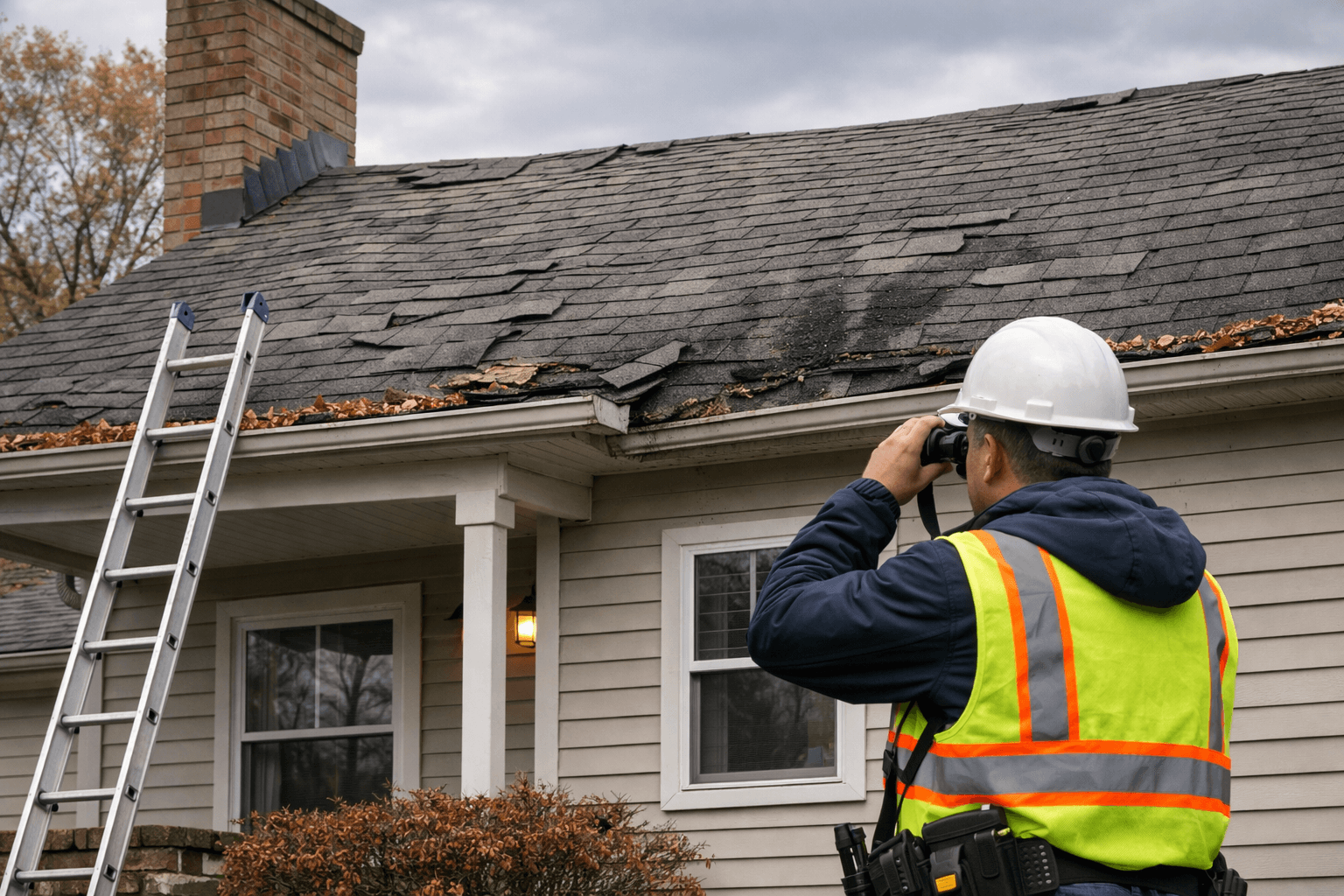
Your home's roof is its first line of defense against the elements, protecting your family from rain, wind, sun, and storms. However, like any exterior component exposed to Connecticut's harsh winters and seasonal changes, roofs have a finite lifespan. Recognizing the early warning signs of failure can mean the difference between a planned replacement and thousands of dollars in emergency repairs.
Here are the five critical indicators that it's time to replace your roof:
1. Age of Your Roof
The most straightforward indicator is your roof's age. Most asphalt shingle roofs last 20-25 years, while metal roofs can last 40-70 years with proper maintenance. If your roof is approaching or has exceeded its expected lifespan, it's time to start planning for replacement—even if it looks okay from the ground.
- Asphalt Shingles: 20-25 years
- Metal Roofing: 40-70 years
- Tile Roofing: 50+ years
- Flat Roofs (TPO/EPDM): 15-20 years
2. Missing, Cracked, or Curling Shingles
Walk around your property and look up. Healthy shingles should lie flat against the roof. If you notice shingles that are:
- Curling at the edges or buckling in the middle
- Cracked, split, or broken
- Missing entirely, leaving bare spots
- Losing granules (check your gutters for accumulation)
These are signs that your shingles have reached the end of their protective life and are no longer effectively shielding your home.
3. Interior Water Damage and Leaks
Sometimes the clearest signs of roof failure are inside your home:
- Water stains or discoloration on ceilings and walls
- Peeling paint near the roofline
- Mold or mildew growth in the attic
- Daylight visible through roof boards in the attic
- Sagging spots in the ceiling
If you notice any of these issues, you likely have an active leak that requires immediate attention. While some leaks can be repaired, widespread damage often indicates the need for full replacement.
4. Sagging Roof Deck
A sagging roof is a serious structural concern that demands immediate professional evaluation. The roof deck should be straight along its lines. If you see a visible dip or sag—especially in the middle of the roof or between rafters—it could indicate:
- Water damage to the underlying structure
- Rotted roof decking
- Inadequate support from the beginning
- Foundation or structural settling
This is not a DIY diagnosis. A sagging roof can be dangerous and may lead to collapse if not addressed promptly.
5. Storm Damage and Insurance Claims
Connecticut's nor'easters and winter storms put tremendous stress on roofing systems. After any major storm, have your roof professionally inspected. Look for:
- Impact damage from debris
- Lifted or displaced shingles
- Damage to flashing around vents and chimneys
- Dents in metal roofing or gutters
Many insurance policies cover storm damage, but there are time limits for filing claims. Document everything with photos and contact your insurance company promptly.
The Smart Homeowner's Approach
We recommend a professional roof inspection every 2-3 years, or after any major storm. Early detection of problems can extend your roof's life through targeted repairs. However, when multiple warning signs appear together, replacement becomes the more economical long-term solution.
Your home is your biggest investment. Don't wait until you see water dripping from your ceiling to address roofing concerns.
Schedule your free inspection today,
-The American Roofing Team