The Ultimate Guide to Winter Storm Roof Prep
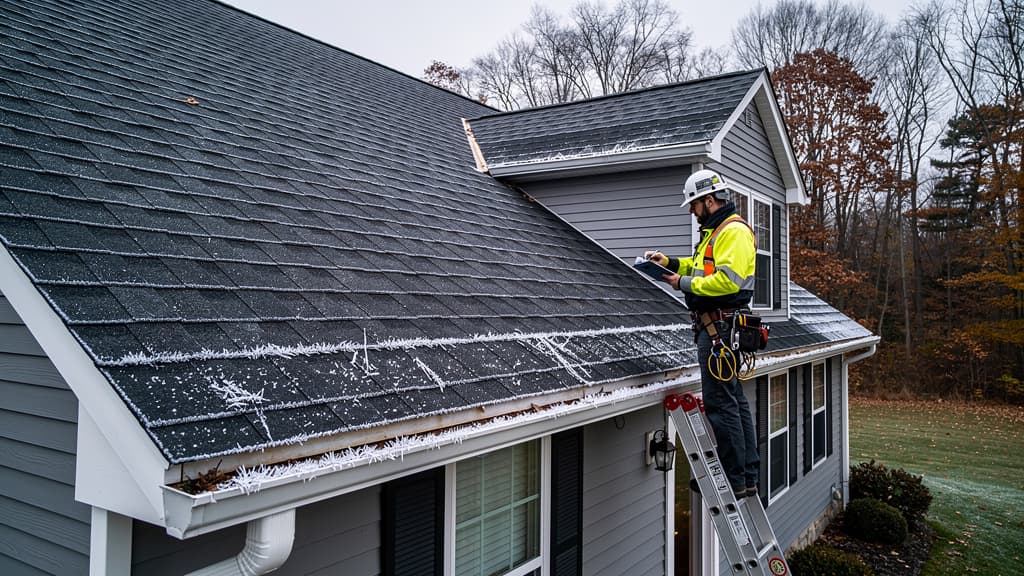
Living in Connecticut, we understand that winter is not a matter of "if," but "when." While most homeowners focus on heating systems, insulation, and snow removal equipment, your roof is often the most vulnerable component of your home during a nor'easter or heavy snowfall. It's your primary defense against ice dams and water intrusion.
Here is a professional guide to ensuring your roof is winter-ready.
Understanding the Threat
Connecticut winters bring a unique combination of challenges: heavy snow loads that can stress your roof structure, ice dams that form at the eaves, and freeze-thaw cycles that exploit every small vulnerability. A poorly prepared roof can lead to leaks, structural damage, and costly repairs.
A properly prepared roof can be the difference between a cozy winter indoors and facing catastrophic water damage.
Your Pre-Season Checklist
1. Professional Roof Inspection
Before winter arrives, schedule a comprehensive inspection with a licensed roofing contractor.
- Action: Look for loose, damaged, or missing shingles. Check all flashing around vents, chimneys, and skylights. Ensure roof-to-wall connections are secure. Identify any areas showing signs of wear or previous repairs.
2. Ensure Proper Attic Ventilation
Ice dams form when heat escapes through your roof, melting snow that then refreezes at the cold eaves.
- Action: Verify that soffit vents are clear and unobstructed. Ensure ridge vents are functioning properly. Check that attic insulation isn't blocking ventilation pathways. Consider adding ventilation if current airflow is inadequate.
3. Check and Upgrade Insulation
Proper insulation keeps heat inside your home, not warming your roof.
- Action: Verify attic insulation meets current R-value recommendations for Connecticut (R-49 to R-60). Seal any air leaks around penetrations, recessed lights, and attic hatches. Ensure even distribution of insulation throughout the attic.
4. Clear Debris and Trim Trees
Overhanging branches pose a significant threat when weighted with snow and ice.
- Action: Trim all branches within 6-10 feet of your roof. Remove dead limbs from nearby trees that could break and fall. Clear any debris from the roof surface and gutters.
5. Inspect and Clean Gutters
Clogged gutters contribute to ice dam formation and water backup.
- Action: Remove all leaves and debris from gutters and downspouts. Ensure gutters are securely attached and properly pitched. Consider installing gutter guards to prevent future clogs. Verify downspouts direct water away from the foundation.
6. Install Ice and Water Shield
For roofs without adequate protection, consider adding ice and water shield membrane.
- Action: This self-sealing membrane should extend at least 3 feet past the exterior wall line. It provides crucial protection against ice dam leaks. Especially important in valleys, around chimneys, and at eaves.
Insurance Considerations
Review your homeowner's insurance policy before winter:
- Document your roof's current condition with photos
- Understand your coverage for ice dam damage and water intrusion
- Know the process for filing winter storm damage claims
- Keep records of any repairs or improvements made
Many insurers appreciate proactive maintenance and proper ventilation improvements.
Don't Wait for the First Snowfall
Once a major storm is forecast, roofing contractors become overwhelmed with emergency calls and materials become scarce. The best time to prepare your roof is on a mild fall day, well before the first snow flies.
We recommend completing all roof maintenance and repairs by November each year—before Connecticut's winter weather arrives in earnest.
Protect your home, protect your family, and stay warm this season.
-The American Roofing Team